Explore the vital role of Basic Specialists in career development, essential skills, training benefits, transition steps, certification impact, and FAQs for aspiring professionals. In today’s fast-paced job market, career changers are constantly seeking avenues to enhance their employability and broaden their professional horizons.
One strategic path is through Basic Specialist Training, designed specifically for those aiming to pivot their careers effectively. This article delves into the essential aspects of becoming a Basic Specialist, offering insights into the role’s significance in career development and the key skills necessary for success. We will explore how pursuing this targeted training can elevate your job opportunities and the steps you need to take for a seamless transition.
Additionally, we’ll address the profound impact that Basic Specialist certification can have on your career growth. Whether you’re at a crossroads in your professional journey or simply looking to diversify your skill set, this guide will provide the information you need to take the next step confidently.
Understanding The Role Of A Basic Specialist In Career Development
In the realm of career development, the role of a Basic Specialist is pivotal. As organizations evolve, so do the demands for specialized knowledge that can bridge the gap between various fields and enhance overall efficiency. A Basic Specialist typically serves as a knowledge conduit, translating complex information into actionable strategies for career advancement.
One of the primary responsibilities of a Basic Specialist is to provide training and guidance tailored to the unique needs of individuals transitioning into new career paths. This involves assessing the current skills of individuals and identifying the necessary competencies required for their desired roles. By creating comprehensive development plans, Basic Specialists play an integral role in ensuring job seekers are equipped with the essential skills and knowledge needed to succeed in their new positions.
Moreover, a Basic Specialist often collaborates with various departments within an organization to align training programs with the company’s strategic goals. This collaborative effort not only enhances the workforce’s skill set but also aids employees in identifying their career aspirations and laying out a clear path to achieve them. Thus, the impact of a Basic Specialist extends beyond individual employment to influence the broader organizational culture of learning and growth.
A Basic Specialist acts as a champion for career development, providing the necessary resources and support to empower individuals on their professional journeys. As fields continue to change rapidly, the role of the Basic Specialist in guiding these transitions is more crucial than ever.
Key Skills Required For Aspiring Basic Specialists
To thrive as a Basic Specialist, individuals must cultivate a specific set of skills that enhance their effectiveness in various roles. Here are some of the essential skills required:
- Communication Skills: Effective communication is vital for a Basic Specialist. This includes clear verbal and written communication, which is crucial for interacting with colleagues and clients.
- Problem-Solving: A successful Basic Specialist identifies challenges and employs critical thinking to develop effective solutions quickly.
- Adaptability: The ability to adjust to new situations and changes in the work environment is essential, especially for those transitioning into this role.
- Technical Proficiency: Proficiency in relevant software and tools is required. Basic Specialists must stay updated with industry technology that can enhance their job performance.
- Attention to Detail: Precision in their work ensures that no errors occur, which is particularly important in specialized roles where accuracy is paramount.
- Time Management: Effectively managing one’s time allows basic specialists to prioritize tasks and meet deadlines, which is critical in fast-paced work environments.
- Interpersonal Skills: Building relationships with teammates, clients, and stakeholders is important. Strong interpersonal skills help in collaboration and effective teamwork.
- Research Skills: The ability to gather and analyze information helps Basic Specialists stay informed about industry trends and best practices.
- Organizational Skills: Keeping work organized can significantly boost efficiency, aiding in tracking projects and maintaining workflow.
Mastering these key skills will not only help aspiring Basic Specialists succeed in their roles but also enhance their career growth and job satisfaction.

How Basic Specialist Training Enhances Job Opportunities
Engaging in Basic Specialist training can significantly enhance an individual’s job opportunities by equipping them with the necessary knowledge and skills that employers seek. As the job market evolves, specialized roles often demand a higher level of expertise, making professional training essential for career advancement.
One of the primary benefits of undergoing Basic Specialist training is the improved employability it brings. This type of training not only strengthens a candidate’s resume but also demonstrates a commitment to professional growth, setting them apart from other applicants. Employers are increasingly looking for candidates who have dedicated time to gain specialized knowledge, and a recognized certification can provide a competitive edge.
Furthermore, Basic Specialist training often includes practical experience and exposure to real-world scenarios. This hands-on approach allows trainees to develop critical problem-solving skills and to gain insights into the nuances of the field, making them more attractive to potential employers. Organizations value candidates who can adapt quickly to their work environment, and individuals who have completed specialist training are generally perceived as more ready for the challenges of the job.
Networking opportunities are another vital aspect of Basic Specialist training. Many training programs facilitate connections with industry professionals, former trainees, and potential employers. This can lead to job referrals and insights into unadvertised job openings, increasing the chances of securing employment.
The knowledge gained through Basic Specialist training can open doors to various career paths within the same industry or even adjacent fields. Many employers look for versatility, and having specialized training can create pathways to roles that may not have been previously considered. In this way, investing in Basic Specialist training can lead to a more fulfilling and dynamic career trajectory.
Steps To Transition Into A Basic Specialist Role
Transitioning into a Basic Specialist role requires careful planning and execution. Here are essential steps to guide you through the process:
- Research the Field: Begin by gaining a comprehensive understanding of the Basic Specialist role. Explore job descriptions, required qualifications, and industry expectations to set your foundation.
- Identify Transferable Skills: Assess your current skill set to determine which skills can be transferred to a Basic Specialist position. Focus on skills like communication, problem-solving, and analytical thinking that are valuable in this new role.
- Obtain Relevant Training: Enroll in relevant training or certification programs that focus on the competencies required for a Basic Specialist. Proper training will enhance your knowledge and bolster your resume.
- Networking: Connect with professionals in the field of Basic Specialists through networking events, social media groups, or professional organizations. Networking can open up job opportunities and provide valuable insights about the industry.
- Gain Experience: Consider internships, volunteer work, or part-time positions that will provide practical experience in a Basic Specialist capacity. Hands-on experience can significantly boost your candidacy.
- Tailor Your Resume: Update your resume to highlight relevant experience and skills related to the Basic Specialist role. Ensure that your resume reflects the keywords and requirements mentioned in job postings.
- Practice Interview Skills: Prepare for interviews by researching common questions asked for Basic Specialist roles. Conduct mock interviews to build your confidence and improve your response techniques.
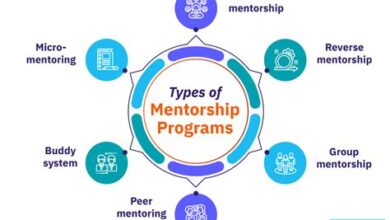
- Seek Mentorship: Finding a mentor within the field can provide guidance and support as you navigate your transition into becoming a Basic Specialist. They can offer advice based on their own experiences.
- Stay Informed: Keep up-to-date with industry trends and changes that may affect the Basic Specialist role. Being informed demonstrates your commitment to potential employers.
- Apply for Positions: Finally, start applying for Basic Specialist positions. Tailor each application to the specific job, ensuring that you address the key qualifications and skills the employer is seeking.
By following these steps, you can successfully transition into a Basic Specialist role and increase your opportunities for career advancement.

The Impact Of Basic Specialist Certification On Career Growth
Obtaining a Basic Specialist certification can significantly influence your career trajectory, especially for those looking to transition into this role. The certification acts as a testament to your skills and knowledge in the field, reassuring employers of your expertise. Here’s how it impacts career growth:
- Enhanced Credibility: With a recognized Basic Specialist certification, you gain credibility in the eyes of employers and peers, making you a more attractive candidate in a competitive job market.
- Increased Earning Potential: Statistics show that certified professionals often earn higher salaries compared to their non-certified counterparts, reflecting the value that this qualification brings to the workforce.
- Broader Job Opportunities: Many employers prefer or require candidates to hold a Basic Specialist certification, opening doors to more job opportunities and a wider range of roles within the industry.
- Stronger Professional Network: Certification can also help you connect with a community of professionals who share similar credentials, leading to networking opportunities that can benefit your career.
- Continuous Learning: The process of obtaining certification often involves fulfilling ongoing education requirements, ensuring that you stay updated with the latest developments and best practices in your field.
A Basic Specialist certification is not just a qualification; it is a robust tool that can propel your career forward, providing you with the skills, knowledge, and network necessary for lasting success in your new role.

Frequently Asked Questions
What is Basic Specialist Training (BST)?
Basic Specialist Training (BST) is a foundational training program designed to equip individuals with the essential skills and knowledge required for a specialized career, particularly for those who are transitioning from a different professional field.
Who can benefit from Basic Specialist Training?
BST is primarily aimed at career changers, including recent graduates, professionals seeking to pivot into a new industry, and individuals looking to gain specialized skills to enhance their career prospects.
What are the key components of Basic Specialist Training?
Key components typically include theoretical knowledge, practical skills training, industry-specific tools and technologies, mentorship opportunities, and assessment methods to evaluate competency.
How long does Basic Specialist Training usually take?
The duration of BST can vary widely depending on the field of specialization, with programs typically lasting from a few weeks to several months.
What types of careers can one pursue after completing BST?
Completing BST can open doors to a variety of careers across different industries, including healthcare, information technology, engineering, education, and more specialized roles depending on the training provided.
Are there any prerequisites for enrolling in a Basic Specialist Training program?
Prerequisites can vary by program but often include a high school diploma or equivalent. Some programs may require relevant work experience or certain academic qualifications related to the field.
How can one choose the right Basic Specialist Training program?
To select the right BST program, prospective students should consider factors such as their career goals, the program’s reputation, the qualifications of the instructors, curriculum details, and available support services like career counseling.